Breaking
Excessive sugar consumption weakens the immune system, see other sickness

The Azerbaijan Food Safety Agency (AFSA) has prepared an educational report on the negative effects of excessive sugar consumption on the immune system.
According to the agency, in winter and spring, the immune system weakens, and our body has difficulty resisting infections.
To prevent this, you need to eat properly and in a balanced way. Excessive sugar consumption is also a factor that weakens our immune system. Sugary drinks, cakes, cupcakes, sweet and sour foods have a temporary energy boost for the body. Vitamin C levels are often reduced in people who eat these products. As a result, leukocytes can neutralize only 50% of the bacteria and viruses that enter the body.
Experts recommend consuming up to 30 g of sugar per day for a middle-aged person. Excessive sugar intake is dangerous for our health. It causes many diseases, especially overweight and diabetes. Frequent starvation, unexplained fatigue, delayed wound healing, tooth decay, dry mouth, urinary tract infection, whiteheads in the mouth and tongue, dry skin, and difficulty concentrating are some of the complications that can result from excessive sugar consumption. Also, consuming foods that contain too much sugar increases your daily calorie intake, which leads to obesity. Obesity is a risk factor for diseases such as heart disease, high blood pressure and inflammation.
Carefully read the contents of the packaged products to limit sugar consumption. The amount of elements such as fructose, lactose, sucrose, maltose, glucose and dextrose should be taken into account in the products. Instead of sugar, chocolate, syrups and sweets, fruits, ie a natural source of sugar, should be preferred.
The energy needed by the human body is provided by daily food intake. Of course, healthy and quality food can be a source of energy for our body. By giving preference to fruits and vegetables, we can strengthen our immune system and increase our body’s resistance and protection against infectious agents.



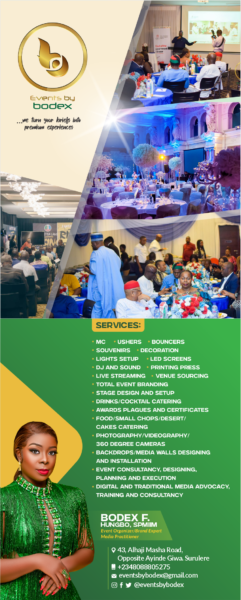
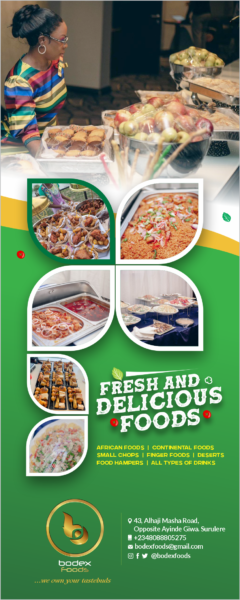


Bodex F. Hungbo, SPMIIM is a multiple award-winning Nigerian Digital Media Practitioner, Digital Strategist, PR consultant, Brand and Event Expert, Tv Presenter, Tier-A Blogger/Influencer, and a top cobbler in Nigeria.
She has widespread experiences across different professions and skills, which includes experiences in; Marketing, Media, Broadcasting, Brand and Event Management, Administration and Management with prior stints at MTN, NAPIMS-NNPC, GLOBAL FLEET OIL AND GAS, LTV, Silverbird and a host of others

Glo at 23: The 23 Reasons to Celebrate, by Prof. Tayo Popoola

First Lady Tinubu to visit Anambra, empower 5,000 people