News
Publishers ask court to halt NERDC textbook ranking policy

The Nigerian Publishers Association has asked the Federal High Court in Ibadan to halt the implementation of the Nigerian Educational Research and Development Council’s new textbook ranking policy, challenging the council’s authority to subject previously approved textbooks to another compulsory ranking exercise.
The suit, marked FHC/IB/CS/117/26, lists the President, NERDC, the Minister of Education and the Attorney-General of the Federation as defendants. A copy of the suit was obtained by our correspondent on Friday.
The NPA is challenging the requirement that textbooks already assessed, approved and certified for use must undergo another ranking exercise before they can continue to be used, distributed, procured or sold.
The association is also contesting the compulsory ranking fee attached to the exercise and asking the court to determine whether regulations introduced under the NERDC Act can take effect without the required presidential approval and publication in the Federal Gazette.
So This Happened (EP 420) reviews: Nollywood veteran Taiwo Hassan ‘Ogogo’ dies at 660:00 / 0:00
So This Happened (EP 420) reviews: Nollywood veteran Taiwo Hassan ‘Ogogo’ dies at 660:02 / 1:01
According to the association, the central issue before the court is whether NERDC has the statutory authority to impose the additional requirement on publishers.
The NPA said, “The major issue before the court is whether NERDC has the legal power to compel publishers to submit textbooks that have already been assessed, approved and certified to another ranking exercise before they can continue to be used, distributed, procured or sold.”
The association also said it was challenging the compulsory ranking fee associated with the exercise and the legal process through which the new regulations were introduced.
It said the court would also determine “whether regulations introduced under the NERDC Act can take effect without the required presidential approval and publication in the Federal Gazette.”
The NPA expressed concern about the consequences for publishers who do not participate in the exercise, stating that “publishers who fail to participate in the ranking exercise risk having previously approved textbooks excluded from classroom use.”
The association said it wanted the court to determine whether NERDC had the statutory authority to impose such a condition on textbooks that had already gone through the approval process.
NERDC introduced the ranking framework as part of efforts to regulate the quality of textbooks and ensure that instructional materials used in schools meet prescribed standards and align with the national curriculum.
The policy has, however, raised concerns within the publishing industry, particularly over the additional financial burden on publishers and the implications of making ranking a condition for the continued use of previously approved textbooks.
In response to concerns from publishers, NERDC recently reduced the textbook assessment fee from N2,000 to N1,500 per page, while the ranking fee was reduced from N1m to N750,000 per title.
The council also announced measures concerning refunds for publishers who had paid the previous assessment rate.
The NPA’s court action asks the judiciary to determine the legality of the ranking requirement, the compulsory participation and the fees attached to the process.
The association, however, stressed that its decision to seek judicial intervention did not mean it had closed the door to negotiations with the Federal Government.
The NPA stated, “The court action does not rule out further dialogue with the Federal Government.”
It added that it “remain[s] committed to meaningful dialogue and willing to work with the government and other stakeholders towards a textbook approval system that is lawful, transparent and in the interest of learners, teachers and the publishing industry.”
The association said its position was aimed at ensuring that the regulatory framework for textbooks was legally grounded, transparent and beneficial to all stakeholders in the education sector.
The case could provide judicial clarification on NERDC’s powers to introduce additional requirements for textbooks that have already received approval, as well as the legal basis for fees and other conditions attached to the ranking process.












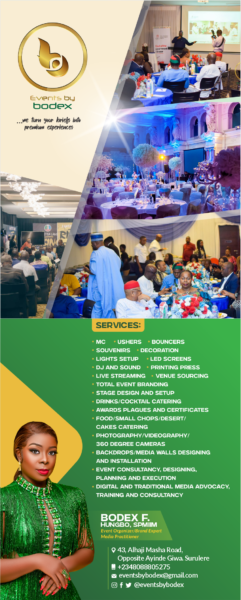



Bodex F. Hungbo, SPMIIM is a multiple award-winning Nigerian Digital Media Practitioner, Digital Strategist, PR consultant, Brand and Event Expert, Tv Presenter, Tier-A Blogger/Influencer, and a top cobbler in Nigeria.
She has widespread experiences across different professions and skills, which includes experiences in; Marketing, Media, Broadcasting, Brand and Event Management, Administration and Management with prior stints at MTN, NAPIMS-NNPC, GLOBAL FLEET OIL AND GAS, LTV, Silverbird and a host of others

FCT workers begin indefinite strike over teachers’ promotion dispute

Oscar-winning actress Eva Marie Saint dies at 102